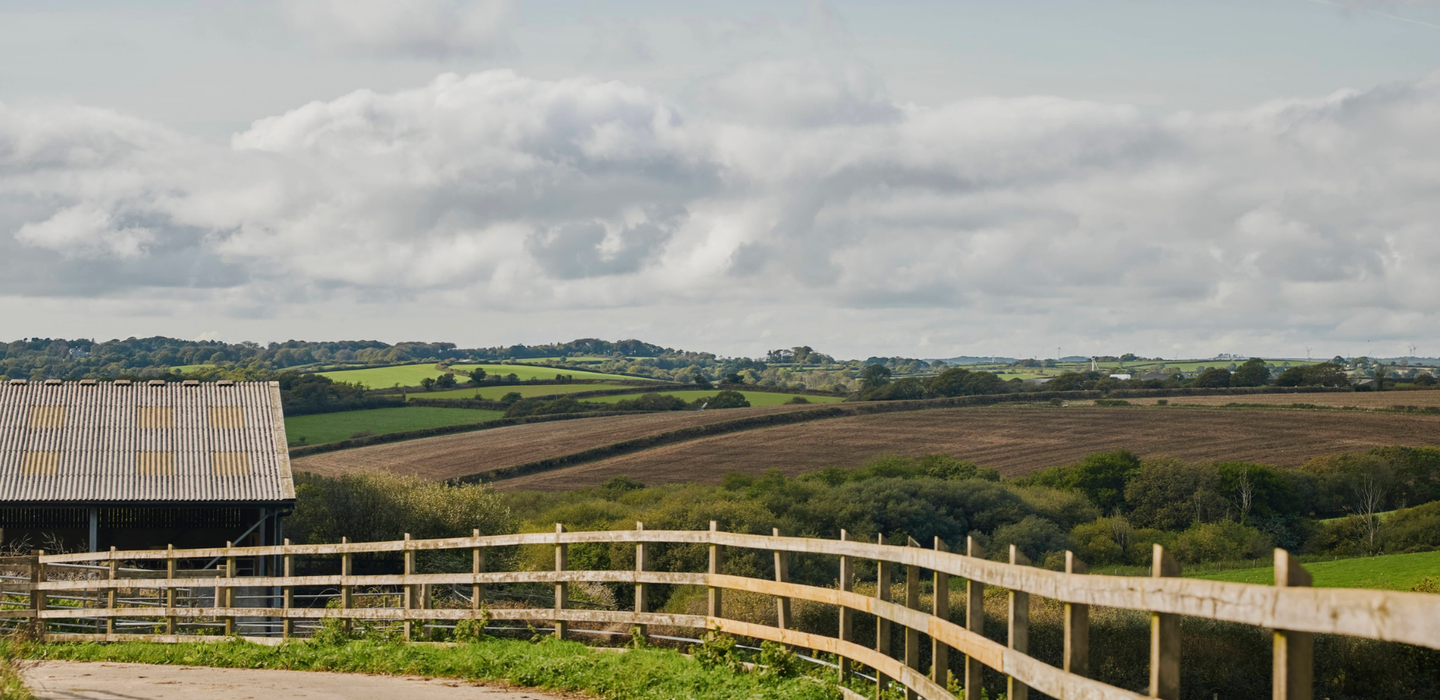
Listening to Nature: Monitoring Biodiversity at Gargus Farm
When we talk about Our Impact, we believe it's important to look beyond good intentions and focus on measurable action.
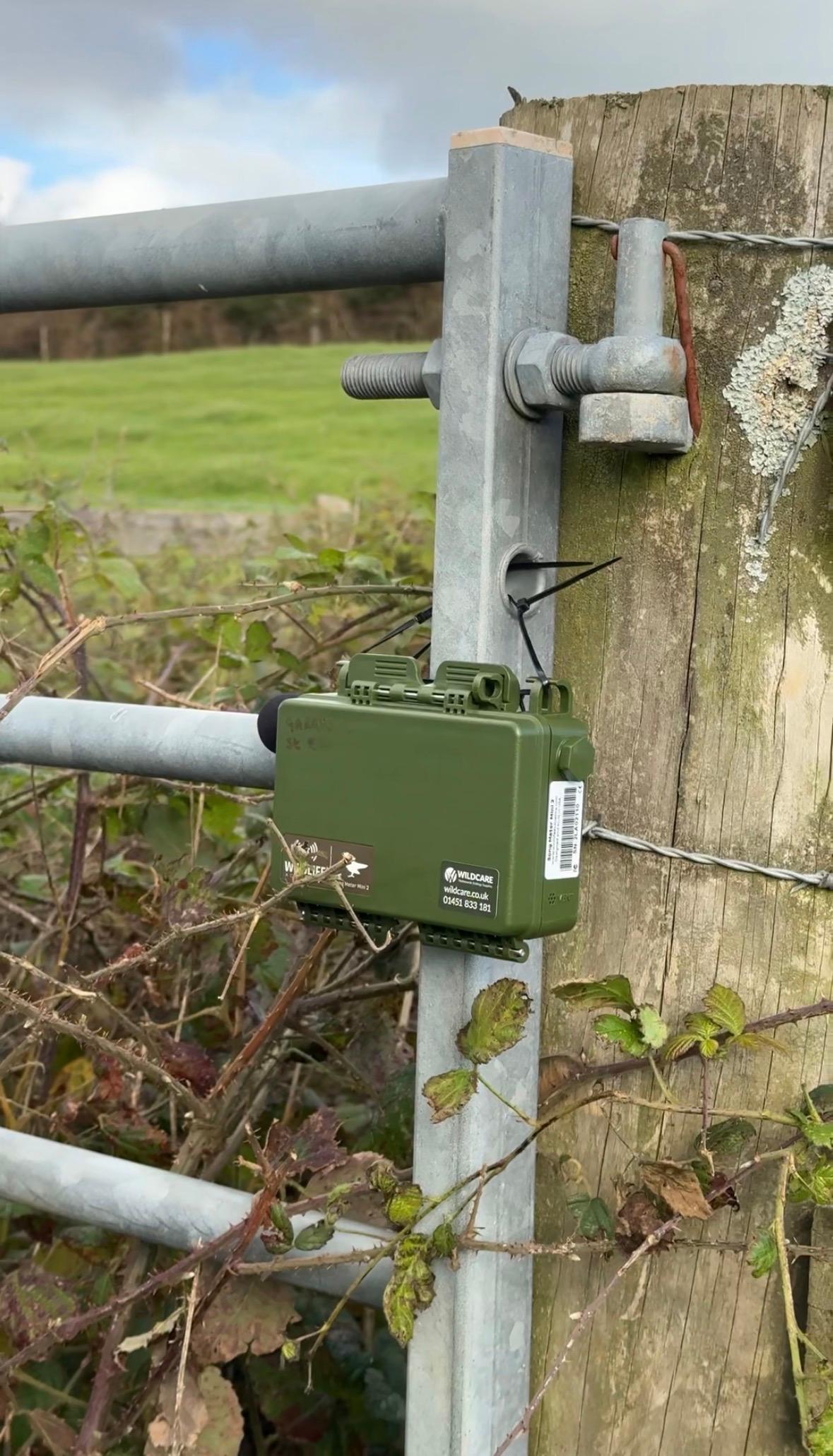
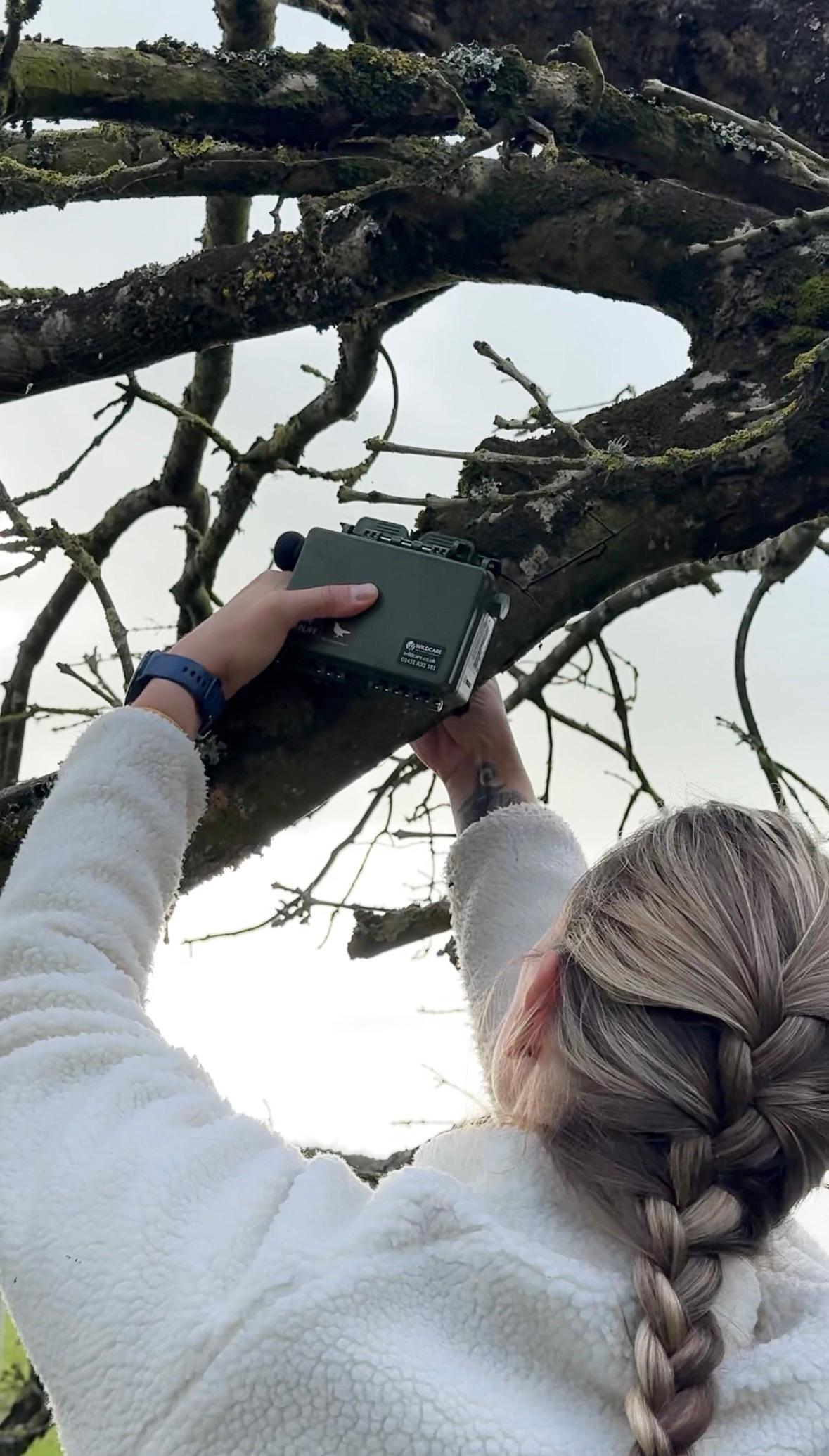
That's why we've recently installed two bioacoustic bird monitoring devices at our home farm, Gargus, just outside of Tregony, as part of an exciting new biodiversity project in partnership with Wilder Sensing, specialists in biodiversity intelligence and environmental monitoring.
The devices work by listening to and recording the sounds of the landscape around them. Using specialist technology, the recordings help identify bird species present on the farm and create a baseline understanding of local bird populations using the Farmland Bird Index, a recognised indicator of the health of the countryside.
Why are we doing this?
Before we can understand whether our biodiversity initiatives are making a difference, we first need to understand what (and who!) is already there.
The monitoring devices allow us to establish a clear picture of bird activity across the farm today. As our wider biodiversity projects get underway in the coming months and years, we'll continue to monitor the site and look for changes over time, considering factors such as species rarity and conservation status.
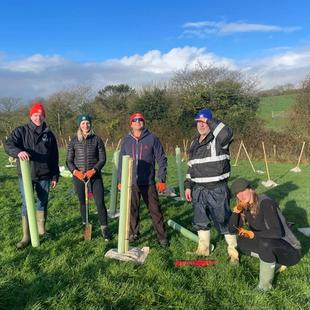
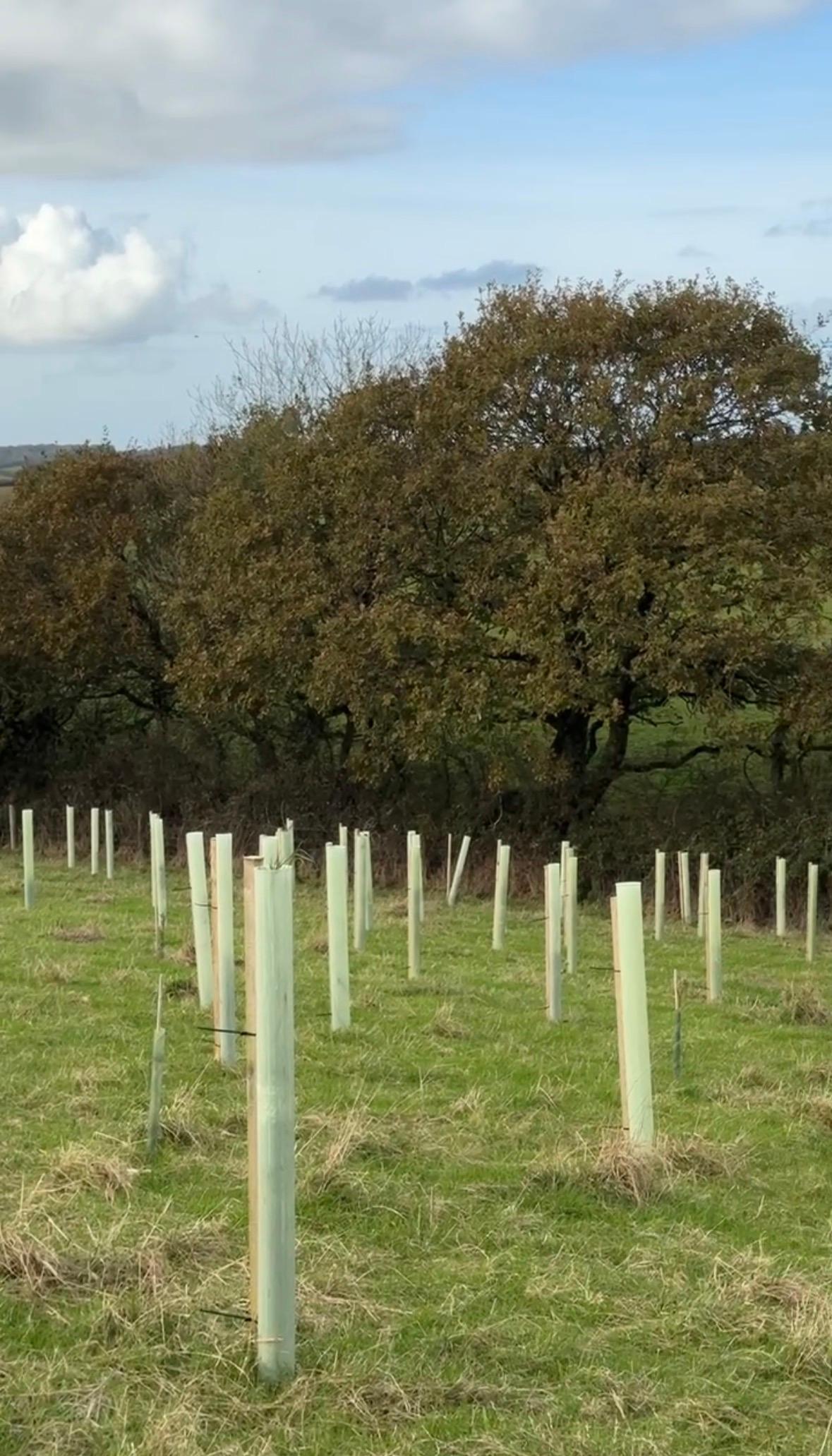
This work sits alongside other long-term biodiversity initiatives on the farm. Through our No Trees No Seas campaign, delivered in partnership with Plant One Cornwall and Forest for Cornwall (Cornwall Council), we planted 3,800 native trees across 25 different species last winter, including willow, hornbeam, sycamore, oak, hazel, hawthorn, crab apple, rowan and blackthorn. The next phase of planting is planned for this coming winter, with numbers set to more than double as we continue to create and connect valuable habitats across the landscape.
This approach gives us something incredibly valuable: evidence.
Rather than relying on assumptions, the data will help us measure the impact of our work, understand how projects such as our tree planting programme are influencing biodiversity, identify opportunities for improvement and make more informed decisions about how we manage the farm in the future.
Nature is always adapting
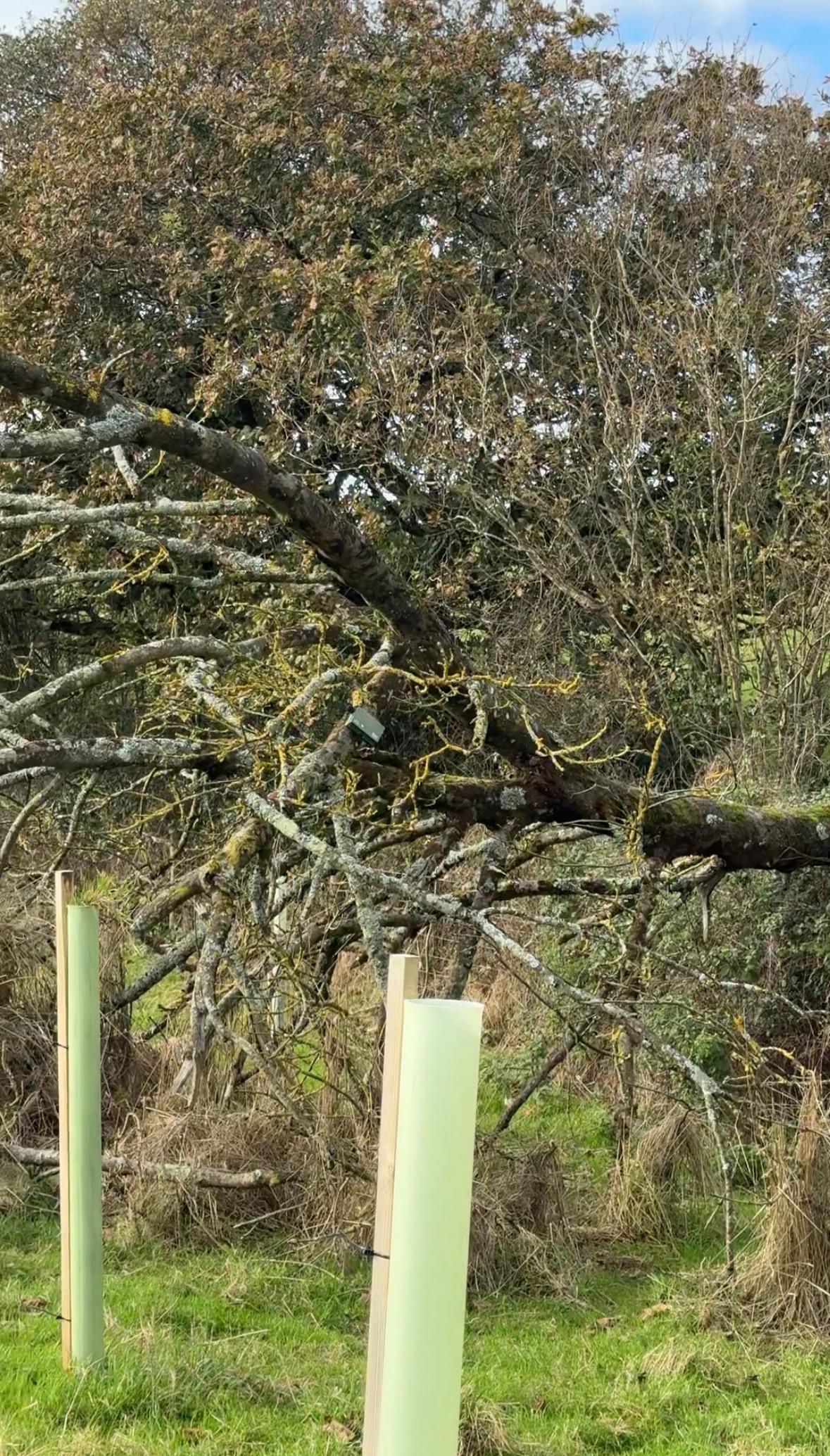
One of the monitoring devices has been attached to a large mature tree that was brought down during Storm Goretti in January 2026.
While it was disappointing to lose such a significant part of the landscape, nature has a remarkable way of creating opportunity from change. Even in the relatively short time since it fell, there are already signs that the tree is beginning to provide a valuable new habitat for a range of wildlife species.
It serves as a reminder that biodiversity isn't always about creating something new, sometimes it's about recognising and supporting the natural processes already taking place around us.
Looking ahead
This is just the beginning of the project, and we'll be sharing updates as we learn more.
For now, we're focused on listening, gathering data and building a clearer understanding of the wildlife that calls Gargus home. In time, we'll be able to compare future results against this baseline and better understand how our actions are influencing the ecology of the farm.
By combining practical farming with evidence-led conservation, we hope to play our part in supporting thriving habitats for wildlife, while ensuring the farm remains productive for generations to come.
We'll be back with an update once the first sets of data have been analysed. In the meantime, we'll keep listening!