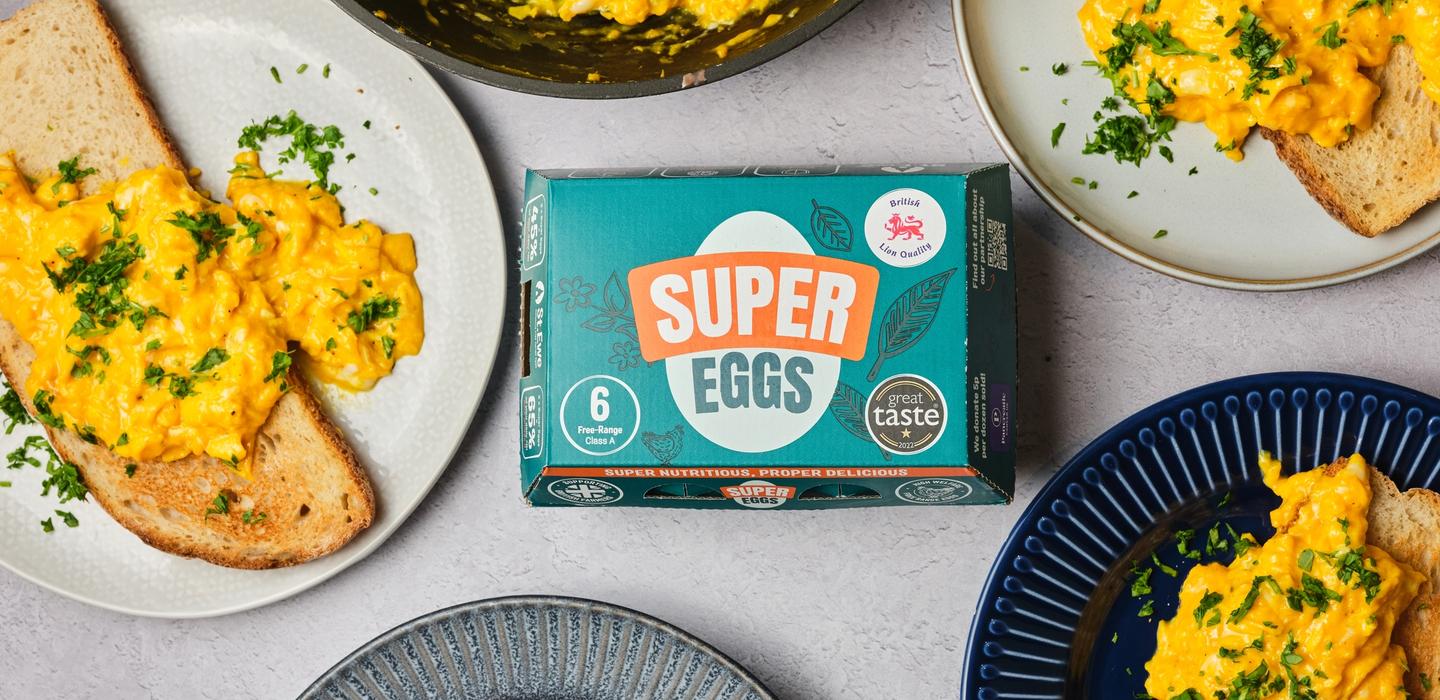
Super Nutritious Scrambled Eggs and Toast
Last updated: July 2026
Prep: 5 mins | Cook: 5 mins | Total: 10 mins | Serves: 2
Scrambled eggs and toast are the perfect balance of creamy comfort and nutritious energy. Packed with vitamins, healthy fats, and a rich source of protein, this classic breakfast comes together in minutes and can be upgraded in countless healthy ways.
Whether you're after fluffy scrambled eggs on toast for a lazy Sunday or a quick protein-packed plate before work, this guide covers the exact method, nutrition breakdown, and answers to the questions people ask most.
Why Scrambled Eggs and Toast Are a Perfect Breakfast
- Nutritious & Filling: Eggs provide high-quality protein while toast adds slow-release energy.
- Quick & Easy: Ready in less than 10 minutes, perfect for busy mornings.
- Customisable & Healthy: Choose wholegrain or sourdough bread, add veggies, or top with heart-healthy avocado.
- Perfectly Balanced: A comforting meal that's as wholesome as it is delicious.
- Naturally Gluten-Free Protein: Eggs themselves contain no gluten, so this dish is easy to adapt for gluten-free diets by swapping in a gluten-free loaf.
Ingredients for Scrambled Eggs and Toast (Serves 2)
- 4 fresh eggs (try St. Ewe Super Eggs for the best results and extra nutrition, or Rich Yolk eggs for an extra-creamy, deep-yellow scramble)
- 2–4 slices of wholegrain, rye, or sourdough bread
- 10g salted butter or 1 tbsp olive oil (healthier swap)
- 1 tbsp milk (optional - for a lighter, softer scramble; leave out for a richer, more custardy result)
- A pinch of salt & black pepper
- Fresh rocket or spinach to garnish
Optional healthy toppings:
- Smashed avocado for added fibre and healthy fats
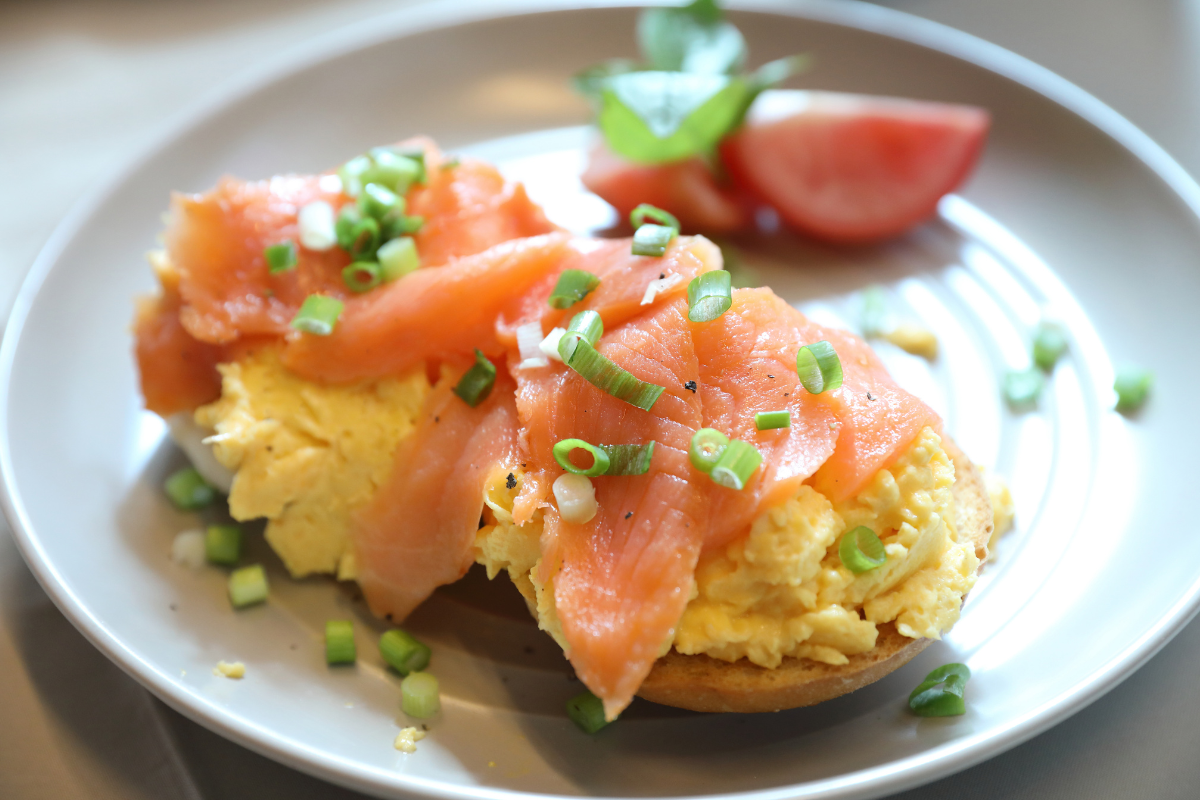
- Smoked salmon for extra protein and omega-3
- Roasted tomatoes or sautéed mushrooms for extra vitamins
Getting It Right: Why Low Heat Makes Creamier Eggs
The difference between rubbery and creamy scrambled eggs comes down to heat control. Egg proteins firm up (coagulate) as they warm - cook them too fast and the proteins squeeze out moisture, leaving you with dry, tight curds. Cooking low and slow and pulling the pan off the heat while the eggs still look slightly underdone, gives the gentlest, creamiest result, since the residual heat finishes the job without overcooking them.
Common mistakes to avoid:
- Cooking on high heat - this is the number one cause of rubbery eggs.
- Stirring constantly - occasional folding gives softer curds than continuous whisking in the pan.
- Toasting bread too early - butter the toast just before serving so it doesn't go soggy or cold.
- Salting too early - salt draws out moisture if added well before cooking; a pinch right before or during cooking works best.
Nutrition Facts: Scrambled Eggs and Toast
- Calories of scrambled eggs and toast (2 eggs + wholemeal bread) = 250–300 kcal)
- Protein: Rich source from 2 scrambled eggs (12g protein)
- Healthy Fats: From eggs and butter/olive oil
- Carbs & Fibre: From wholegrain bread, helping with steady energy release
- Vitamins & Minerals: B vitamins, vitamin D, iron, selenium from eggs; fibre, magnesium and antioxidants from bread and greens
| Eggs | Calories | Protein | Fat | Carbs |
|---|---|---|---|---|
| 1 egg | 91 kcal | 6g | 7g | 1g |
| 2 eggs | 182 kcal | 12g | 14g | 2g |
| 3 eggs | 273 kcal | 18g | 20g | 3g |
| 4 eggs | 364 kcal | 24g | 27g | 4g |
According to the NHS Eatwell Guide, a balanced breakfast should combine protein, wholegrain carbohydrates and some healthy fat - which is exactly what this dish provides. The British Nutrition Foundation notes that eggs are one of the few dietary sources of naturally occurring vitamin D, making them a particularly useful addition to a UK diet.
Healthy Ways to Upgrade Scrambled Eggs and Toast
- Avocado & Seeds: Top with smashed avocado, pumpkin seeds, or chia for fibre and omega-3
- Mediterranean Twist: Add a drizzle of olive oil, roasted peppers, and olives
- Smoked Salmon & Rocket: For a protein-rich, heart-healthy upgrade
- Vegan Alternative: Use scrambled tofu on wholegrain toast with spinach and nutritional yeast for a plant-based option
- Lighter Option: Swap butter for olive oil and pair with mixed salad greens on the side
- High-Protein Power Plate: Add an extra egg white or a spoonful of cottage cheese to the scramble for an even higher protein hit - ideal if you're training or trying to stay fuller for longer.
Is Scrambled Eggs on Toast Good for Weight Loss?
Scrambled eggs on toast can absolutely fit into a weight-conscious diet. At around 250–300 calories per serving, it's a relatively low-calorie, high-protein breakfast that tends to be more satiating than sugary cereal or pastries, thanks to the protein and fibre combination.
To keep it lighter, use one whole egg plus extra egg whites, cook with a light spray of olive oil instead of butter, and choose a single slice of wholegrain or seeded toast rather than two.
Is Scrambled Eggs and Toast Healthy?
Yes! When made with wholesome ingredients like fresh eggs and wholegrain bread, toast and scrambled eggs are a well-balanced breakfast. Packed with protein, satisfying fats, and plenty of nutrients, it keeps you fuller for longer while supporting steady energy throughout the morning.
How to Make Scrambled Eggs and Toast
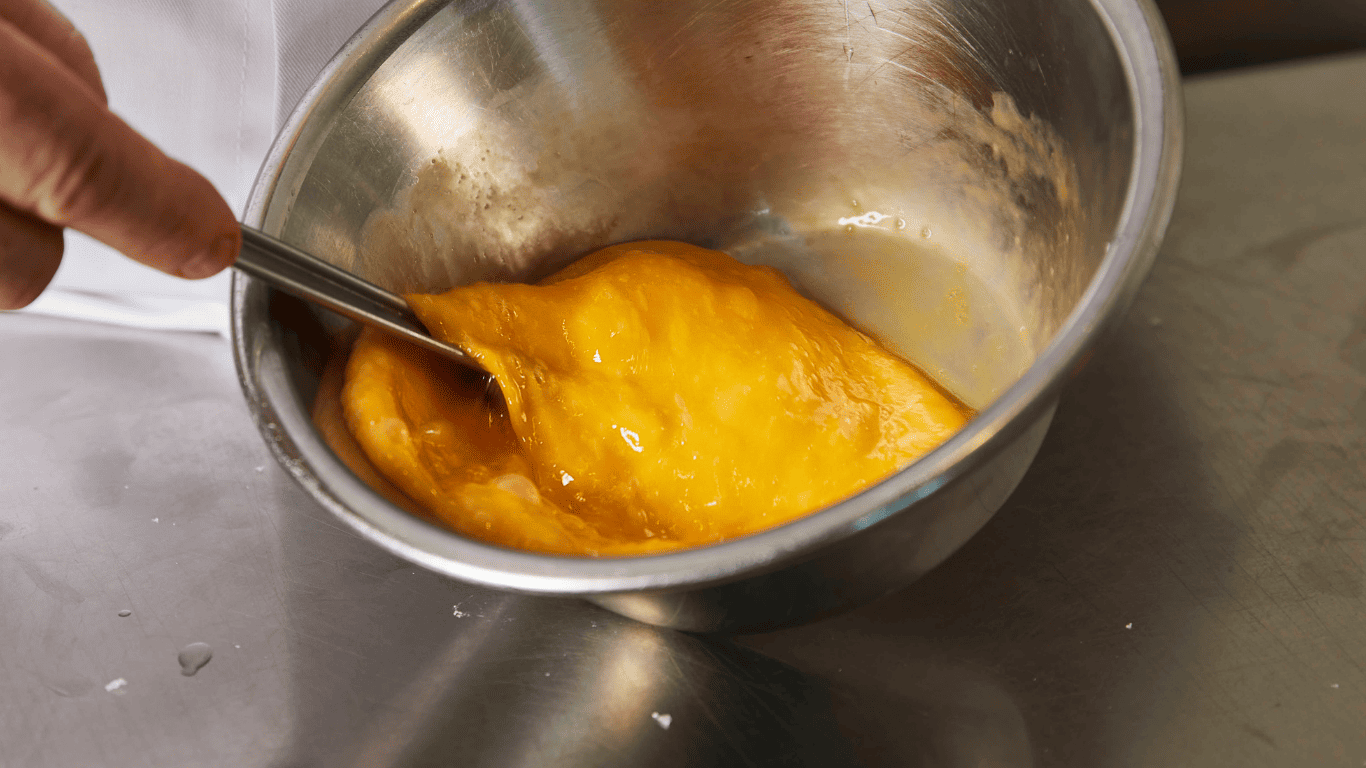
Step 1: Whisk the Eggs
Crack your St. Ewe Super Eggs into a bowl, add a pinch of salt and pepper, and whisk until smooth and light. Add the milk here if using.
Step 2: Heat the Pan Slowly
Melt butter (or olive oil for a lighter option) in a non-stick pan. Keep the heat low to prevent rubbery eggs.
Step 3: Cook Low and Slow
Add the egg mixture to the pan, cooking the eggs slowly and scraping with a spatula so they don't stick. Remove from heat just before the eggs are cooked through. This ensures a soft, creamy finish.
Step 4: Toast the Bread
Toast bread slices until golden. For extra crunch and nutrition, opt for seeded or wholemeal bread.
Step 5: Assemble and Add Healthy Toppings
Spoon creamy scrambled eggs over toast. Garnish with rocket or spinach, or boost nutrition with avocado, salmon, or veggies.
Step 6: Serve Immediately
Scrambled eggs continue to cook from residual heat, so plate and serve straight away for the creamiest texture.
What to eat with scrambled eggs and toast?
There are lots of ways to elevate scrambled eggs and toast:
- Avocado for healthy fats and fibre
- Smoked salmon for protein and omega-3
- Sautéed spinach or rocket for added vitamins
- Roasted tomatoes or mushrooms for extra flavour
- Egg whites mixed in with whole eggs for a lighter meal
These toppings make scrambled eggs and toast versatile for breakfast, lunch, or even dinner.
Can you make scrambled egg without milk?
Yes, scrambled eggs can definitely be made without milk. In this St. Ewe recipe, you can achieve creamy and fluffy scrambled eggs by simply whisking the eggs well and cooking them gently over medium-low heat, without adding any milk or cream.
More Breakfast Ideas from St. Ewe Eggs
- Explore more breakfast recipes using St. Ewe eggs
- Browse brunch recipes for weekend mornings
- Read more nutrition articles from the St. Ewe team
- Discover the difference Rich Yolk eggs make to your cooking
How many calories are in scrambled eggs and toast?
On average, two scrambled eggs with one slice of wholegrain toast contain around 250–300 calories. Adding butter or cheese raises the calorie and saturated fat content, while opting for egg whites and olive oil keeps it lighter.
Are scrambled eggs sweet and savoury?
Scrambled eggs are usually a savoury dish, especially when cooked with olive oil and seasoned with salt and pepper. However, they can be made sweet by adding cream, sugar, or warming spices like cinnamon, often paired with French toast for a sweeter breakfast twist. Adding sugar or cream will increase the calories and saturated fat compared to the classic version.
Is scrambled eggs and toast a good breakfast?
Absolutely. Scrambled eggs and toast are a nutritious and filling choice. Eggs are an excellent source of protein, while wholegrain toast provides fibre for steady energy release over a long period. Prepared with a little olive oil, it can be both tasty and balanced.
What to eat with scrambled eggs and toast?
There are lots of ways to elevate scrambled eggs and toast:
- Avocado for healthy fats and fibre
- Smoked salmon for protein and omega-3
- Sautéed spinach or rocket for added vitamins
- Roasted tomatoes or mushrooms for extra flavour
- Egg whites mixed in with whole eggs for a lighter meal
These toppings make scrambled eggs and toast versatile for breakfast, lunch, or even dinner.
Can you make scrambled egg without milk?
Yes, scrambled eggs can definitely be made without milk. In this St. Ewe recipe, you can achieve creamy and fluffy scrambled eggs by simply whisking the eggs well and cooking them gently over medium-low heat, without adding any milk or cream.
Should I add cream to my eggs?
If you’re using high-quality eggs, there’s no need to add cream to achieve soft scrambled eggs. In this scrambled eggs recipe, we use St. Ewe Rich Yolk eggs. Their natural richness means you get incredible flavour and texture without adding anything extra.